
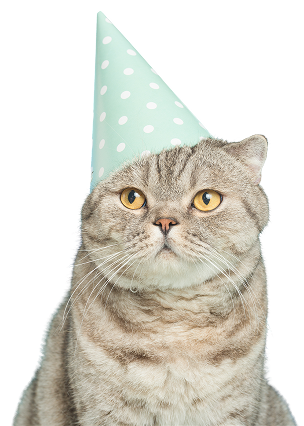




Why Can't Cats Drink Milk? The Science Explained
Author: PawPots Team
 23 Jan 2025
 4 min
4 min The idea of a cat happily licking milk is cute, and for most of the adult cats it's a bad thing to do. Well, it all boils down to one enzyme, and the way cats' digestive systems evolve with age. This guide covers the science behind lactose – what it is, why most adult cats can't tolerate it, why kittens can, and how the milk myth was born.
If you just want to know what to give your cat instead, see our practical companion guide (linked below). This one is the biology.
Key takeaways
Milk contains lactose, a sugar that needs the enzyme lactase to digest.
Kittens make plenty of lactase; production drops sharply after weaning.
In lactose-intolerant adults, undigested lactose ferments in the gut.
The milk myth comes from farm cats and cartoons, not feline biology.
Step 1: What's in Milk
The milk contains a natural sugar called ‘lactose'. This must be broken down to simpler sugars, which are absorbed into the bloodstream, and the enzyme lactase is made in the small intestine for this purpose. The key to the cat and milk problem is that there is no lactase, no digestion.
Step 2: Why Kittens Can, but Adults Can't
Kittens have an abundance of lactase to digest their mother's milk. Lactase production will naturally taper off after weaning, when they begin to eat solid food, as in nature, no adult cat would drink milk. When cats grow into adults, they will produce relatively little lactase so that a cup of cow's milk will be too much.
Kittens
Produce plenty of lactase
Digest mother's milk easily
Milk is their whole diet
Adult cats
Produce little to no lactase
Struggle to digest lactose
Milk offers little benefit, real risk
Step 3: What Happens in the Gut
When a lactose-intolerant cat drinks milk, the lactose passes through undigested and reaches the large intestine, where gut bacteria ferment it. That fermentation is what causes the familiar symptoms:
Gas and bloating from bacterial fermentation.
Diarrhoea, as undigested lactose draws water into the intestine.
Stomach discomfort, cramping, and sometimes vomiting.
Signs usually show within hours of drinking milk and settle once it's out of their system.
Step 4: So Why Do Cats Seem to Love Milk?
It's not the lactose in milk that attracts cats, but rather the fat and protein. Leftover farm cat milk, cartoons, adverts, generations of farm cats, and outlived science and a myth was born. Liking of milk and digesting milk are two different things. Milk is liked but cats cannot digest it.
The Takeaway From the Biology
Milk isn't a natural or beneficial drink for adult cats — their bodies simply aren't equipped to process it after kittenhood. Understanding the lactase story makes the practical advice obvious: stick to fresh water and species-appropriate food. At PawPots, fresh, species-appropriate meals for cats with human-grade ingredients, made in the UAE and portioned to your cat — nutrition designed around feline biology, not myth.
What Should Cats Drink Instead?
For the safer treats and alternatives — cat milk, bone broth, and hydration tips — read our companion guide: Can Cats Have Milk? Safer Treats and Alternatives.
Frequently Asked Questions
Why can't cats drink milk?
Most adult cats don't produce enough of the enzyme lactase to digest lactose, the sugar in milk. Undigested lactose ferments in the gut, causing gas, bloating, and diarrhoea.
Why can kittens drink milk but not adult cats?
Kittens produce plenty of lactase to digest their mother's milk. After weaning, lactase production drops sharply, so most adult cats lose the ability to handle lactose.
Are all cats lactose intolerant?
Most adult cats are, to varying degrees. A few may tolerate small amounts, but there's no reliable way to know, and the risk of digestive upset means milk is best avoided.
If cats are lactose intolerant, why do they like milk?
They're attracted to milk's fat and protein, not the lactose. Combined with historical farm feeding and pop-culture images, that preference created a lasting myth despite the biology.

Give Back The Love
Show your love to your pets with our high-quality, delicious and healthy meals!
Show your love to your pets with our high-
quality, delicious and
healthy meals!