



How to Prepare Your UAE Pet's Immune System for the Autumn Season Shift
Author: PawPots Team
 21 Aug 2026
 8 min
8 min The Dubai weather finally breaks in October, and while that first cool evening walk feels like a relief for both you and your dog, it can quietly throw your pet's system off balance. Sudden shifts in temperature and humidity strain the gut lining, which happens to be where roughly 70% of your pet's immune activity lives. This is exactly why best pet food choices matter more heading into autumn than at almost any other point in the year, and why so many vets in the UAE start fielding questions about upset stomachs, low energy, and dull coats the moment the weather turns.
If you've noticed your dog scratching more, your cat skipping meals, or either one dealing with looser stools around this time of year, you're not imagining it. Here's what's actually happening inside your pet's body during the seasonal shift, and how the right nutrition, particularly gastrointestinal cat food and probiotic dog food, can help them sail through it.
Why Autumn Is Hard on Your Pet's Gut and Immune System?
The UAE doesn't get a gentle transition into cooler weather. Temperatures can swing by 10-15 degrees within a single week in October and November, and humidity levels drop just as fast. Pets don't process these swings the way we do.
A dog or cat's gut microbiome, the community of bacteria that governs digestion and immune signaling, is sensitive to stress, temperature change, and shifts in activity levels. When the weather cools, most UAE pet owners naturally take their dogs on longer walks or let cats spend more time exploring balconies and gardens. More activity is great, but it also means more exposure to new bacteria, pollen, and dust, all of which the gut has to filter and respond to.
This is where digestive dog food and digestive cat food come into the conversation. A gut that's already under strain from seasonal change has a harder time keeping harmful bacteria in check, which is often the real reason behind the sniffles, skin flare-ups, or soft stools that seem to appear out of nowhere every autumn.
The Gut-Immune Connection, Explained Simply
Think of your pet's intestinal lining as a security checkpoint. When it's healthy, it lets nutrients through and blocks pathogens. When it's inflamed or imbalanced, that checkpoint gets sloppy. Undigested particles and bacteria can slip through, triggering the immune system to overreact. That overreaction is what shows up as itchy skin, low energy, or an upset tummy.
Feeding probiotic live dog food and cat food with live cultures supports that checkpoint directly. Live probiotic strains help crowd out harmful bacteria, strengthen the gut wall, and keep inflammation down, which is precisely why nutrition plays such a large role in seasonal wellness.
Signs Your Pet's Immune System Needs Support This Season
Before jumping into solutions, it helps to know what to watch for. Common autumn indicators in Dubai and across the UAE include:
Looser or more frequent stools
Excessive scratching or a dull, flaky coat
Reduced appetite or picky eating
Low energy despite cooler, more walkable weather
Occasional vomiting after meals or treats
None of these are usually emergencies on their own, but together they often point to a gut that needs backup. This is the exact window where switching to gastrointestinal cat food or a probiotic-rich dog diet tends to make the most visible difference.
Probiotic Dog Food vs Regular Dog Food: What Actually Changes
Pet parents often ask whether probiotic formulas are worth the switch, or if any decent dog food will do the job during autumn. Here's an honest breakdown.
Regular dog food focuses on meeting baseline nutritional needs. It typically covers protein, fat, and calorie requirements, but doesn't actively address gut bacteria balance. For a dog with a resilient digestive system, this may be fine most of the year.
Probiotic dog food goes a step further by introducing live, beneficial bacterial strains directly into the diet. These strains help digest food more efficiently, produce short-chain fatty acids that feed the gut lining, and crowd out opportunistic bacteria that tend to flare up during seasonal stress. For dogs prone to sensitive stomachs, or any dog going through the autumn transition, this extra layer of support tends to show up as firmer stools, less scratching, and steadier energy within a few weeks.
The difference isn't dramatic on paper, but it's very noticeable in daily life, especially in a climate like Dubai's where seasonal shifts happen fast and pets don't get much time to adjust gradually.
Gastrointestinal Cat Food - What to Look For?
Cats are notoriously private about digestive discomfort, which means by the time you notice a problem, it's often been building for a while. Good gastrointestinal cat food should include:
Easily digestible proteins. Fresh, human-grade meat is broken down more efficiently than heavily processed meals, putting less strain on a sensitive gut.
Fiber from real vegetables. Ingredients like sweet potato and leafy greens support regular bowel movements without relying on synthetic fillers.
Live probiotic cultures. These help rebalance gut flora after any stress-related disruption, whether from weather, travel, or a change in routine.
No artificial preservatives or fillers. Artificial additives can be harder for a sensitive gut to process, particularly during a season when the digestive system is already working overtime.
Fresh, gently cooked recipes tend to check all four boxes at once, since the cooking process preserves more natural nutrients than high-heat kibble extrusion does.
Building an Autumn Immune Support Routine for Your Pet
A few consistent habits go a long way during the transition months.
1. Transition Food Gradually
Never switch your pet's diet overnight, even to a higher-quality option. A gradual transition over 7 to 14 days, mixing the new food in increasing amounts, gives the gut time to adjust without the shock that often triggers loose stools or vomiting.
2. Keep Hydration Consistent
Cooler weather in the UAE doesn't mean pets drink less on their own; activity levels usually go up. Make sure water bowls are refreshed more often and consider adding a splash of bone broth to meals to encourage intake.
3. Prioritize Probiotic-Rich Meals
Whether it's probiotic live dog food or a cat formula with added cultures, consistency matters more than quantity. Daily, small amounts of live probiotics tend to outperform occasional large doses.
4. Watch Portion Sizes as Activity Changes
If your dog is suddenly getting 30 extra minutes of walks each day thanks to the cooler evenings, their calorie needs may shift slightly. Adjust portions rather than adding unnecessary treats, which can undo gut balance progress.
5. Don't Wait for Symptoms to Act
The biggest mistake UAE pet owners make is waiting until a pet is visibly unwell before addressing gut health. Seasonal prevention, starting a few weeks before the weather actually shifts, is far more effective than reactive treatment.
Why Fresh, Human-Grade Food Makes This Easier
Fresh, gently cooked meals naturally retain more of the fiber, protein structure, and micronutrients that support gut and immune health, compared to shelf-stable kibble that's been through high-heat processing. Recipes built around real meat, vegetables like spinach and sweet potato, and healthy fats such as fish oil give the gut what it needs to stay resilient through seasonal change, without relying on artificial additives to compensate.
This is the philosophy behind PawPots recipes, which are kettle-cooked using human-grade ingredients and formulated to AAFCO standards, with every trial pack designed around a gradual transition and built-in probiotic support specifically to ease pets into a new diet without digestive stress.
Autumn in the UAE moves fast, and your pet's gut doesn't always keep up on its own. If you're noticing any of the signs above, it might be time to give their gut a little extra backup. Start your PawPots trial today and let fresh, human-grade meals with built-in probiotic support carry your dog or cat through the season shift, one balanced bowl at a time.
FAQs
1. What is the best pet food for the autumn season in Dubai?
The best pet food during this transition is one with easily digestible, human-grade protein, natural fiber, and live probiotic cultures. Fresh, gently cooked recipes generally support gut resilience better than heavily processed kibble, especially when temperature and humidity swing quickly.
2. How do I know if my dog needs probiotic dog food?
Watch for loose stools, occasional vomiting, reduced appetite, or a dull coat, particularly around seasonal changes. If these symptoms appear more than once or twice a month, a probiotic-rich diet is usually worth trying alongside a vet check.
3. Can I switch my cat directly to gastrointestinal cat food, or does it need to be gradual?
Always transition gradually, ideally over 7 to 14 days. Cats are especially sensitive to sudden diet changes, and a slow transition prevents the stomach upset that often comes from switching too quickly.
4. Is probiotic live dog food safe for puppies and senior dogs?
Yes, live probiotic formulas are generally safe across life stages when the recipe is nutritionally balanced for that stage. Puppies and senior dogs often benefit the most, since their immune and digestive systems are typically more sensitive to environmental change.
5. How long does it take to see results from digestive dog food or cat food?
Most pet owners notice firmer stools and steadier energy within two to three weeks of consistent feeding. Coat and skin improvements usually take a bit longer, closer to four to six weeks, since those changes reflect longer-term nutrient absorption.

Give Back The Love
Show your love to your pets with our high-quality, delicious and healthy meals!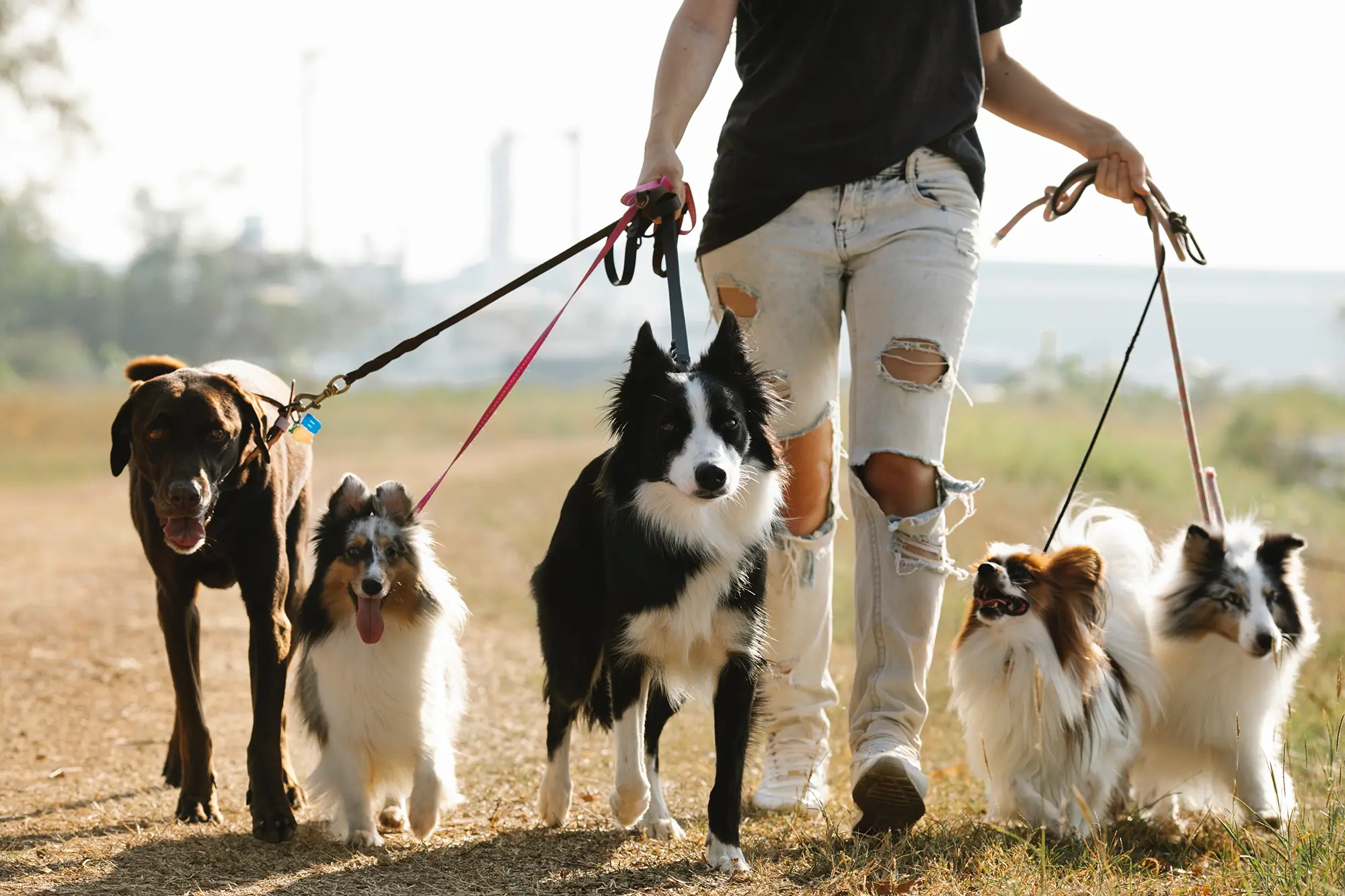
Show your love to your pets with our high-
quality, delicious and
healthy meals!