





How to Build a Safe Outdoor Fitness and Meal Schedule for UAE Dogs Post-Summer
Author: PawPots Team
 18 Sep 2026
 7 min
7 min Months of intense summer heat leaves most Dubai dogs with the same problem: fewer walks, more couch time, and a few extra kilos nobody meant to add. As the temperatures finally start dropping, the real challenge isn't getting your dog back outside. It's doing it without overheating a body that hasn't moved much since April. Pairing a gradual exercise restart with the right weight management dog food is what actually makes the transition safe, instead of just well-intentioned.
This guide breaks down how to rebuild your dog's outdoor routine and feeding schedule together, so the extra summer weight comes off steadily and the joints, heart, and paws aren't put under sudden strain.
Why Post-Summer Is the Riskiest Time to Restart Exercise?
Dogs lose fitness fast. A Labrador who was jogging 5km a day in March might be down to two short bathroom breaks by September, and that muscle loss matters more than most owners expect. Weaker muscles support joints less effectively, so a dog that suddenly goes from zero activity to an ambitious hour-long walk is far more likely to strain something or overheat, even once the weather cooperates.
The safest approach treats October and November like a training block, not a switch that flips back on. Build volume slowly, watch the clock for heat, and adjust meals as activity increases rather than before it.
Signs Your Dog Gained Weight Over Summer
Before adjusting anything, it helps to know where your dog actually stands. Common signs include a waist that's hard to find from above, ribs you have to press to feel, heavier panting on short walks, and reluctance to jump onto furniture or into the car. If two or more of these apply, a weight loss dog food approach, not just less food, is usually the more sustainable fix, since simply cutting portions on a maintenance formula often leaves dogs hungry and under-nourished on protein.
Rebuilding Outdoor Fitness Safely in Dubai's Climate
Best Times to Walk as Temperatures Drop
Even in cooler months, Dubai pavement retains heat well into the evening. Early morning, before 8am, and after sunset remain the safest windows through October. Test pavement temperature with the back of your hand. If it's uncomfortable for five seconds, it's too hot for paw pads.
A Simple Weekly Ramp-Up Plan
Start with 10-15 minute walks, twice daily, for the first week. Add five minutes every few days rather than jumping to a full hour. By week four, most healthy adult dogs can handle 30-40 minute walks comfortably, provided there's no panting distress or lagging behind. Senior dogs and flat-faced breeds should extend this timeline further and stick to shorter, more frequent outings.
Watching for Heat Stress During the Transition
Excessive drooling, bright red gums, glazed eyes, or a dog that suddenly stops and won't continue are all signs to head indoors immediately and offer water. These symptoms can appear even on days that feel mild to humans, since dogs cool far less efficiently through panting alone.
Matching the Meal Schedule to Rising Activity
Feeding schedules shouldn't stay static while activity levels climb. As walks get longer, Adequate dietary protein helps support lean muscle as your dog's activity level increases, while calorie intake needs careful balancing so the extra movement doesn't just get cancelled out by extra treats.
Weight Management Dog Food vs Regular Dog Food
Regular maintenance food is formulated for a dog with a stable weight and stable activity. It's not designed to create a calorie deficit. Weight management dog food typically carries higher fiber and protein relative to fat, which helps dogs feel full on fewer calories while still preserving lean muscle during the fitness rebuild. For a dog carrying extra weight from summer inactivity, sticking with a standard formula and just serving smaller portions often backfires, since it under-delivers on protein exactly when muscle repair matters most.
Why High Protein Matters More Right Now
A high protein dog food isn't just for working or sporting breeds. As your dog's exercise increases, protein becomes the raw material for rebuilding the muscle that summer inactivity broke down. Diets that are too fat-heavy relative to protein can undo the benefit of the walks themselves, adding calories without giving the body what it needs to actually get leaner and stronger.
Best Low Fat Dog Food Options for Active Recovery
Fresh, gently cooked meals give more control here than most dry kibble, since ingredients and portions can be adjusted to your dog's exact weight and activity level rather than a generic bag-wide ratio. The best low fat dog food for this stage usually leans on lean meats (chicken, turkey, or fish) paired with fiber-rich vegetables like spinach and sweet potato, which support digestion without adding unnecessary fat.
Sample Weekly Feeding Adjustment
A dog moving from sedentary to 30 minutes of daily walking doesn't need a dramatically different diet, just a shift in ratios. Reducing overall fat slightly, increasing lean protein, and keeping portions consistent with a vet-recommended calorie target for the dog's ideal (not current) weight tends to work better than drastic portion cuts, which can leave dogs scavenging for food or begging more at the table.
Kibble vs Fresh Meals for Weight Loss
Dry kibble marketed as "diet" or "light" often relies on adding fiber fillers to cut calorie density, which can leave dogs feeling less satisfied per meal. Fresh, portioned meals allow protein and fat ratios to be tailored precisely, and because they're higher in moisture, dogs often feel fuller on appropriate portions. For a dog specifically working through post-summer weight loss dog food needs, portion-controlled fresh meals tend to make the transition easier to stick with, since owners aren't guessing at scoop sizes.
Give Your Dog a Fresh Start This Season
Rebuilding fitness and adjusting meals shouldn't be guesswork. PawPots UAE creates personalized, vet-approved fresh meal plans portioned for your dog's exact weight, age, and activity level, built to support real weight management, not just smaller bowls. Start your trial with PawPots today and give your dog a meal plan that actually keeps pace with their post-summer comeback.
FAQs
How long does it take a dog to lose weight safely after summer?
Most healthy dogs can safely lose around 1-2% of their body weight per week with the right combination of diet and exercise. A 20kg dog carrying 2 extra kilos should expect roughly 6-8 weeks on a structured plan, not a crash diet.
Can I just feed less of my dog's current food to help them lose weight?
Not ideally. Simply reducing portions of a regular formula often cuts protein and essential nutrients along with the calories, which can lead to muscle loss instead of fat loss. A properly formulated weight management dog food protects lean muscle while trimming fat.
Is it safe to walk dogs outdoors in Dubai in October?
Yes, with timing precautions. Early morning and post-sunset walks are generally safe once daytime highs drop below the peak summer range, but pavement heat and humidity should still be checked before each walk.
What breeds need the slowest post-summer fitness ramp-up?
Brachycephalic (flat-faced) breeds like Pugs and French Bulldogs, senior dogs, and overweight dogs of any breed need the most gradual increases in activity, since their heat tolerance and joint resilience are already reduced.
Does high protein dog food cause weight gain?
No, protein itself isn't the driver of weight gain; excess calories are, regardless of source. A well-formulated high protein dog food with controlled fat levels supports lean muscle and can actually assist weight loss when portions are managed correctly.

Give Back The Love
Show your love to your pets with our high-quality, delicious and healthy meals!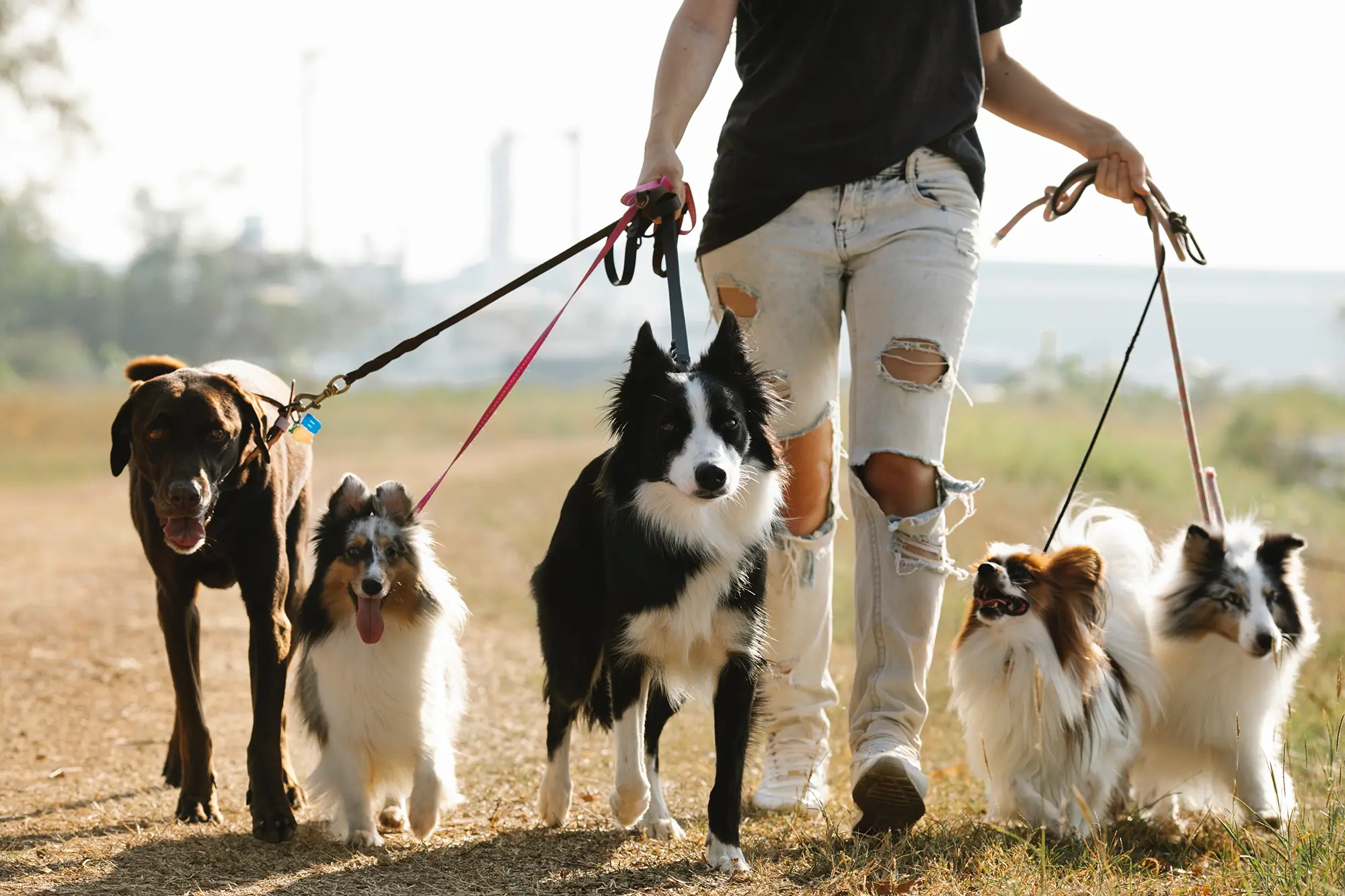

Show your love to your pets with our high-
quality, delicious and
healthy meals!